

Voters should choose their politicians, not the other way around. Sounds simple enough — like an idea we could ALL get behind. Yet today, we are watching our political parties drive us down a road to ruin, racing to see who can rig the system the fastest.
Driven by a highly unusual mid-decade redistricting frenzy triggered in 2025 and 2026 , state legislatures across the country are frantically redrawing congressional maps to consolidate their own power. We cannot continue down this dark path. If we want a brighter future for America, we must fundamentally change how we draw our lines.
The Threat to Our Democracy
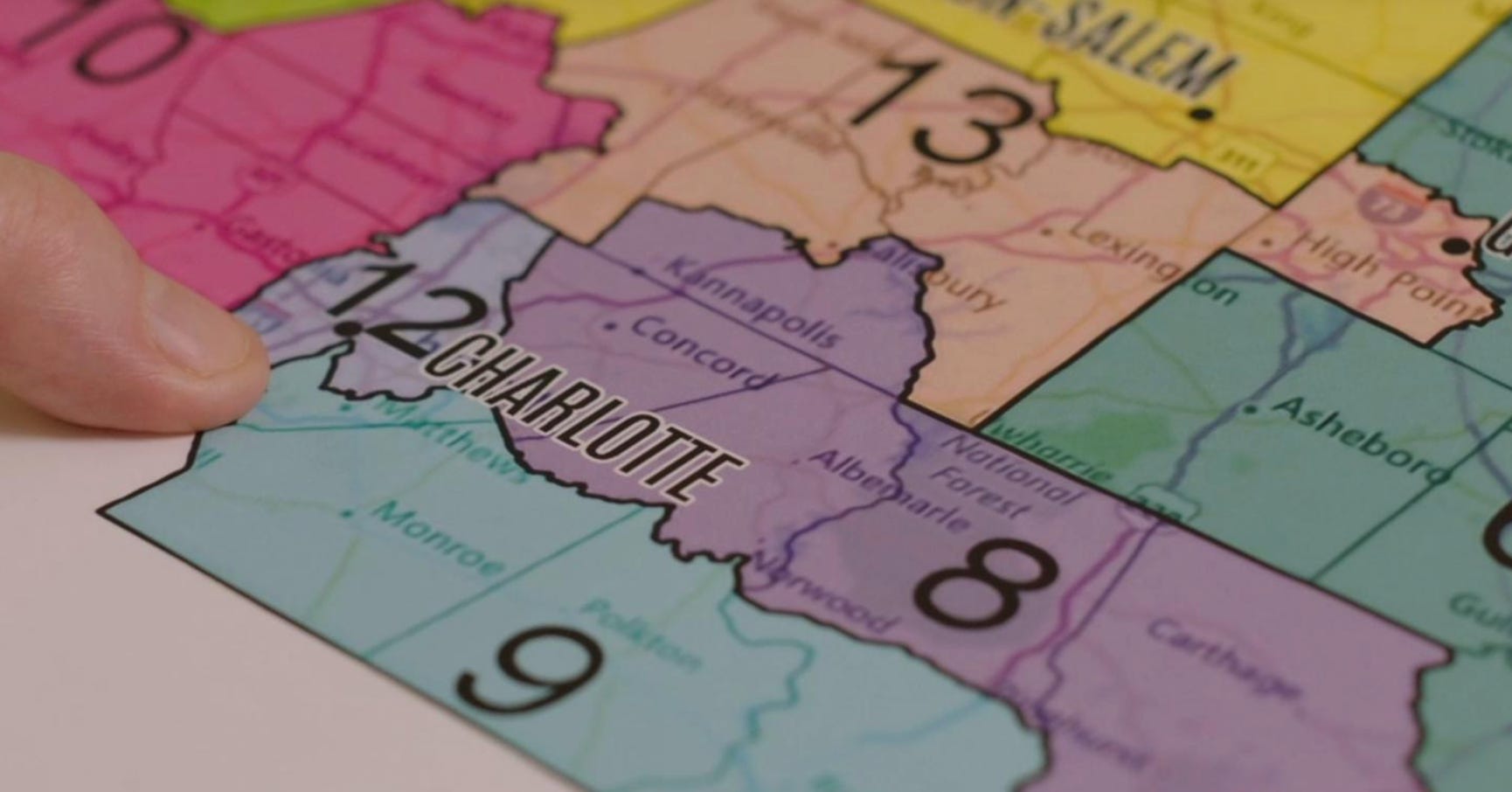
Gerrymandering — the manipulation of voting district boundaries for political or racial advantage — is a poison in the bloodstream of our democracy. Using sophisticated software, politicians employ two main tactics: “cracking” (dividing a group’s supporters across multiple districts to dilute their power) and “packing” (concentrating them heavily into a few districts so they win fewer seats overall).
The results are — to put it lightly — disappointing. Gerrymandering destroys competitive elections, making politicians less responsive to their constituents and more beholden to extreme primary bases. Because of how our maps are drawn, an estimated 60 million Americans (roughly one in four voters) are structurally disenfranchised, forced to cast ineffectual ballots or associate with parties they don’t endorse just to have a say.
The crisis deepened in April 2026 when the Supreme Court’s ruling in Louisiana v. Callais significantly narrowed Section 2 of the Voting Rights Act. This disastrous decision made it easier for states to engage in racial vote dilution, allowing map-drawers to defend discriminatory maps simply by claiming they were engaging in partisan gerrymandering.
The First Line of Defense
We are not without defenders. The Campaign Legal Center (CLC) is standing on the front lines, fighting vigorously to ensure every voice is heard and every vote counts equally.
Because the Supreme Court ruled in the 2019 Rucho v. Common Cause case that federal courts cannot settle partisan gerrymandering disputes, CLC has rolled up its sleeves and taken the fight directly to the states. Here is how they are leading the charge:
Aggressive State Litigation: CLC is actively suing in state courts to strike down manipulated maps, leveraging state constitutions that expressly forbid partisan gerrymandering, such as in Florida.
A Federal Ban: They are fiercely advocating for Congress to pass national legislation that prohibits partisan gerrymandering nationwide, establishes neutral map-drawing criteria, and provides a clear path to resolve disputes.
Independent Redistricting Commissions (IRCs): CLC’s gold standard for state reform is the creation of IRCs — voter-centric bodies completely separate from the state legislature.
Ironclad Ethics: To ensure these commissions are truly fair, CLC insists on strict ethical rules. They recommend prohibiting recently elected officials, political party bosses, and lobbyists from serving. They also demand total transparency, requiring public hearings and allowing voters to submit their own maps.
Solutions All Parties Can Embrace
If we want to fix a broken system without relying on the goodwill of the politicians who broke it, we need to look at structural upgrades. Here are a few you should know about:
Proportional Representation: Single-member, winner-take-all districts are a massive part of the problem. If a district splits 51% to 49%, almost half the voters get zero representation. Transitioning to multi-winner districts would allocate seats proportionally. If a minority population makes up 25 percent of a broader district that elects four winners, they can still elect one of the candidates (let us know in the comments if you’d like to hear more about this reform).
The Fair Representation Act: We can rally behind federal legislation like the Fair Representation Act, which pairs multi-member districts with Ranked Choice Voting to ensure our elected bodies actually reflect the voters.
All-Candidate Primaries: To stop structural disenfranchisement, states can adopt all-candidate primaries. By putting all candidates on a single primary ballot regardless of party, we eliminate compelled partisan association and give every single voter universal access to a meaningful choice.
We don’t have to accept a system that dilutes our power and rewards extremism. Together, we can build a brighter, fairer America where our voices are heard, our votes are counted, and our politicians actually have to earn their seats.
Thank you, excellent work! You’re breaking it down beautifully. It really isn’t overly complicated but must be addressed. I’ll definitely try to educate myself, my loved ones,
Neighbors, friends along with Senators and Representatives.
Elections and our U S Constitution must be permanently protected.
Trump and his constant lies
are serious threats to Democracy.
No way I’m siting back passively!
ESG
The central issue is democratic legitimacy. When politicians choose their voters instead of voters choosing their representatives, elections continue, but representation is weakened.
The answer cannot be only moral outrage. It has to be structural reform.
Independent redistricting commissions, transparent map-drawing rules, state constitutional litigation, federal anti-gerrymandering standards, multi-member districts, ranked-choice voting, and open or all-candidate primaries are all ways to reduce the ability of parties to engineer outcomes before voters even speak.
A democracy worthy of the name needs fair competition, meaningful representation, and rules citizens can recognize as legitimate even when their side loses.
That will not happen by asking politicians to be less self-interested. It will happen by changing the rules that allow self-interest to distort representation.