

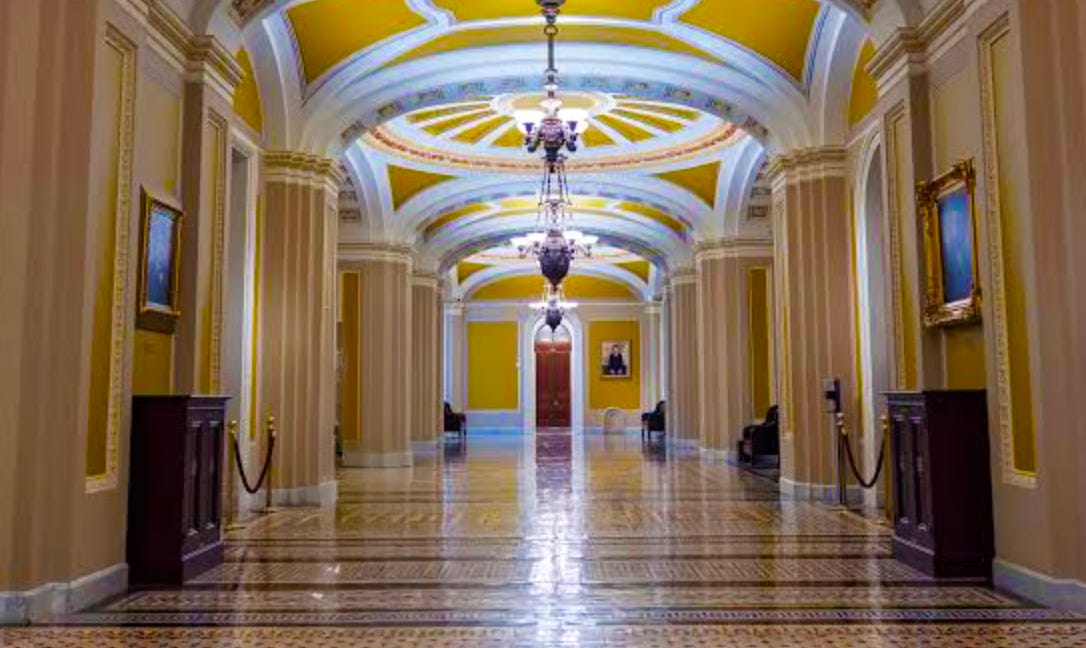
I was on Capitol Hill this week, and it felt like a chapter break. Freshman members wandered the halls looking for their new offices, still full of the excitement from having won. Meanwhile, members who had lost or were retiring were packing up careers that, for some of them, had lasted decades. What struck me most, though, was how quiet the building was. The usual crowds of Americans who fly in from across the country to make their case to their representatives just weren’t there.
I spent the week talking with leaders in both parties and with people who want to build a democracy that works better for the American people, and I was surprised by how much they agreed on. Most of them believe the parties and our institutions have fallen behind a world that keeps changing. They also see how political money flowing into Washington has seeped so far into the system that the incentive to win the next election now outranks the incentive to solve problems. Everyone could describe what’s broken in vivid detail, and plenty of people are making the case for solutions. The harder part is getting anyone to believe those solutions are possible, because the halls only fill with citizens when people believe their voice can do something.
That kind of belief gets built outside Washington. For those of us who care about this, the first job is to make change feel possible and to bring along the people who aren’t paying close attention yet. These are folks raising families, running businesses and getting through the week with very little room left over for politics (and who can blame them?). They already want things to get better, and what they’re waiting for is an invitation and a picture of a future worth working toward. Washington is a fine place to hold a meeting about that future, but the future itself gets built where people live, through voices they already trust.
My friend Larry Chandler, who worked for President Reagan and later helped run McDonald’s, has been helping me think about what that picture looks like. Polls can tell us where people are today, but leading means helping them see where they want to be tomorrow. Larry believes that future puts the individual back at the center, with real choices, real agency and a fair shot at a fulfilling life. That’s also where corruption does its deepest damage — in the form of the helplessness it leaves behind in ordinary people.
That’s the thinking behind our Communities for the Constitution project. In October, business and civic leaders in South Carolina and Texas came together to stand up for the Constitution and the rule of law as the means by which we can solve our problems together. Next year we’ll deepen that work in both places and beyond, particularly in 2028’s early voting states. There are good signs the public is ready. In one of my Hill meetings, Dan Judy of North Star Opinion Research, a Republican polling firm, pointed out that 55% of voters in this month’s exit polls called corruption crucial to their vote for Congress. That put it ahead of the cost of living, at 49%.
There will always be people in those halls pushing their own interests. But I’d also like to see them filled with Americans who want the system to work better for all of us.
This Thursday, somewhere between the turkey and the pie, you’ll probably end up sitting next to the relative who gave up on politics years ago. Instead of bringing up the headlines, try asking what they want for their family and their town ten years from now. Then hit reply and tell me what they said, because the next chapter starts with answers like theirs.
Excellent message.